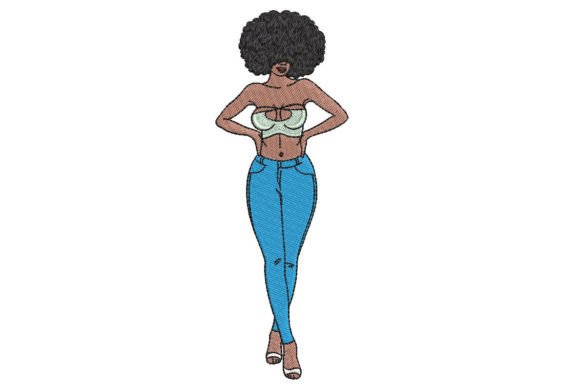
African Girl in Blue Jeans
First Impressions: Sweet, Confident, and Timelessly Warm
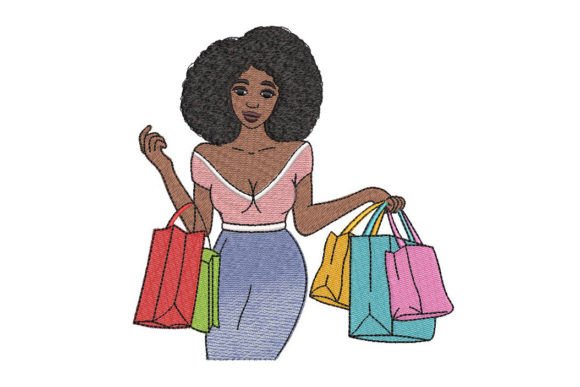
When I opened the African Girl in Blue Jeans embroidery file for the first time, what struck me wasn’t just the charm—but the quiet strength in her expression. This isn’t a generic portrait; it’s a thoughtful, hand-drawn-style machine embroidery design that balances softness and personality. Her smile is gentle but sure, her pose relaxed yet intentional. The blue jeans add a grounded, modern touch—neither overly trendy nor dated—making African Girl in Blue Jeans feel both contemporary and classic. It leans into warmth and authenticity, not caricature or cliché. For gift makers seeking emotional resonance, this design delivers immediately: it feels handmade, inclusive, and full of quiet joy.
Where This Design Truly Shines
African Girl in Blue Jeans is a versatile anchor for meaningful personalized gifts—especially when customers want something tender, celebratory, or culturally affirming. Here’s where it performs beautifully:
- Baby embroidery: Stitched onto organic cotton blankets, onesies (with careful placement), or muslin swaddles—it becomes a cherished keepsake. Parents love designs that reflect identity and dignity from day one.
- Wedding gifts & family keepsakes: Embroidered on linen pillow covers, framed hoop art, or monogrammed guest towels, it adds heartfelt individuality to wedding registries and anniversary presents.
- Nursery decor: Paired with neutral tones on canvas wall hangings or crib bumper alternatives (always safety-conscious), it brings gentle representation without overwhelming the space.
- Everyday handmade products: Think embroidered kitchen towels, cotton tote bags for school or farmers’ markets, aprons for small-batch bakers, or linen napkins for baby showers—each carries quiet intentionality.
- Etsy listings & craft fair displays: As a digital embroidery file, African Girl in Blue Jeans stands out in search results under “inclusive embroidery” or “Black girl art”—but its universal appeal means it converts across audiences who value beauty, diversity, and craftsmanship.
Smart Placement Matters—Know When to Pause
This design shines brightest when thoughtfully matched to fabric and function. Avoid using African Girl in Blue Jeans in these scenarios without extra testing:
- Small lettering or fine facial details: While expressive, subtle eyelashes or hair texture may soften on low-density stitching—confirm clarity at your intended size before finalizing custom orders.
- Highly textured or thick fabrics: Dense terry cloth towels or heavy canvas can mute definition. Opt for medium-weight cotton, linen blends, or smooth twill instead.
- Stretchy baby clothes: Knits require ballpoint needles, lightweight stabilizer, and reduced tension—test thoroughly before offering as a finished product.
- Curved surfaces: Mugs, curved pillow forms, or rounded tote handles distort stitch alignment. Stick to flat or gently contoured items like square pillow covers or flat-front aprons.
- Dark fabric without contrast testing: Some thread colors may lack pop on navy or charcoal. Always run a printable mockup or sew a sample to verify visibility.
- Frequently washed items: If marketing as a blanket or towel, confirm thread colorfastness and recommend cold wash/delicate dry to preserve vibrancy.
Why Customers Choose—and Remember—This Design
Gift buyers don’t just purchase embroidery—they invest in feeling. African Girl in Blue Jeans builds trust because it signals care: care in representation, care in execution, care in storytelling. That translates directly to perceived value. A customer ordering this for a baby’s first birthday knows it’s more than decoration—it’s affirmation. An Etsy seller listing it as part of a “Black Joy Collection” sees higher engagement and repeat visits. In product photography, its balanced composition and warm tone photograph cleanly against natural light and minimalist backdrops—no heavy editing needed. And because it avoids seasonal tropes (no hearts, no snowflakes, no holiday motifs), it stays evergreen in your catalog year after year.
Practical Embroidery Notes You Can’t Skip
Before adding African Girl in Blue Jeans to your production workflow, do these five things:
- Test on scrap fabric—same weight, weave, and dye lot as your final product. Watch how thread lays on seams, hems, and corners.
- Check thread color contrast on both light and dark fabric. Some palettes look vivid on white but fade on ecru—don’t assume.
- Confirm hoop size compatibility. If your machine uses smaller hoops, verify the design fits—or plan for re-hooping (which affects registration).
- Review stitch density. Overly dense fills can cause puckering on lightweight materials; lighter fills may need additional stabilizer support.
- Use appropriate stabilizer: Tear-away for stable wovens, cut-away for knits or high-wear items like totes, and water-soluble for delicate layers like lace overlays.
And one non-negotiable: Always verify commercial licensing before selling finished products. Since the description notes this embroidery comes in “several of the most,” double-check which formats (PES, DST, JEF, etc.) are included—and whether the license permits resale of physical goods. When in doubt, contact the designer or marketplace directly.
A Final Thought for Small Shop Owners
As an embroidery designer who’s helped dozens of small shops scale their handmade product lines, I’ll say this plainly: African Girl in Blue Jeans isn’t just another digital embroidery file. It’s a bridge—to deeper customer connection, to more intentional gifting, to quieter moments of recognition. Whether you’re embroidering a baby blanket in your home studio or fulfilling 50 custom pillow cover orders for a boutique launch, this design holds space for meaning without shouting for attention. That balance—between beauty and substance, simplicity and significance—is rare. Use it well, test it thoroughly, and let its warmth speak for itself.