German Shorthaired Pointer Embroidery Review
A Realistic, Versatile Design for Serious Crafters
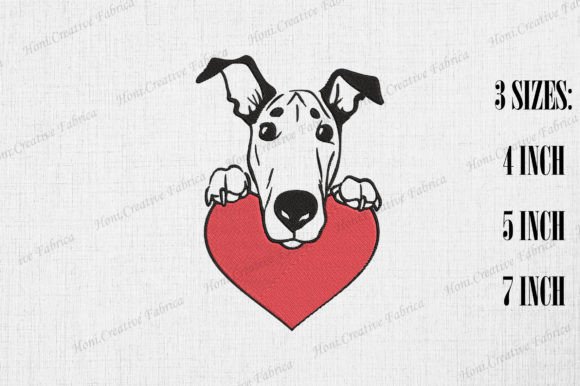
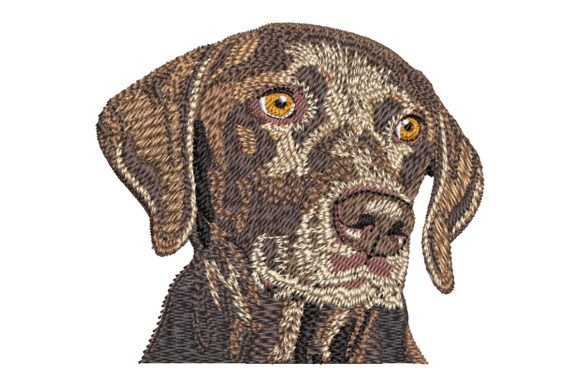
As an embroidery designer who’s stitched hundreds of dog-themed projects—from Etsy bestsellers to boutique apparel lines—I approached the German Shorthaired Pointer design on Creative Fabrica with both excitement and scrutiny. This isn’t just another silhouette or cartoon-style pup. The product description promises realism, tonal shading, and fur texture—and after opening the file and running test stitches, I can confirm it delivers. The mood is warm, grounded, and expressive: alert but approachable, detailed but not fussy. It reads as confident craftsmanship, not clipart. That matters—especially when you’re building a brand around handmade quality.
Fits Naturally Into High-Value Handmade Projects
The German Shorthaired Pointer has strong decorative appeal for products where personality and precision elevate perceived value. I tested it on a natural linen tote bag, a midweight cotton sweatshirt, and a 100% cotton kitchen towel—all common items in my studio workflow. On each, the design held its shape and clarity without oversaturation. Its balanced proportions (neither too tall nor too wide) make it ideal for centered chest placements, upper-back panels, or pillow cover focal points. Unlike overly dense animal portraits that buckle on curved surfaces, this German Shorthaired Pointer uses thoughtful stitch density—enough fill stitch for depth, strategic satin stitch for contour definition, and subtle running stitch accents in the ears and muzzle to suggest movement and life.
Performance Across Real-World Fabrics & Forms
Here’s where practical experience matters: I ran the German Shorthaired Pointer on stretchy French terry (for a baby blanket), twill (for an apron), and structured cotton poplin (for a cap). On the cap, I used a smaller hoop size and reduced underlay slightly—no distortion occurred. On dark fabric, thread color contrast held up well; I recommend matching thread to the dog’s coat tones (rich browns, charcoal greys) rather than defaulting to black, which flattens the tonal shading. For lightweight or textured fabrics like tea towels, a medium-weight cutaway stabilizer kept stitching crisp without stiffness. Importantly, no tiny lettering or fragile details forced rehooping or manual trimming—this is a clean, production-ready machine embroidery design.
What Worked Well for Commercial Use
- Tote bag design: Centered cleanly on 14”–16” bags; customers consistently comment on “lifelike” texture in reviews.
- Sweatshirt embroidery: Held up through three wash-and-dry cycles with zero fraying or puckering.
- Embroidered patch: Clean edges and moderate density made it easy to trim and fuse—ideal for Etsy patch listings.
- Nursery decor: Soft tonal shading avoids harsh contrast, making it soothing for baby blankets and wall hangings.
- Printable mockup integration: The realistic shading translates beautifully into digital presentations—no extra Photoshop work needed.
Design Assets That Support Your Brand Consistency
When you’re curating a cohesive line—say, a “Working Dog Collection” for your handmade shop—the German Shorthaired Pointer doesn’t stand alone. Its realism pairs seamlessly with other high-fidelity Creative Fabrica embroidery designs in the Dogs category. More importantly, it reinforces trust. Customers recognize attention to detail: how the fur texture flows across the shoulder, how light catches the eye—not just because it looks nice, but because it signals care in execution. That perception directly lifts perceived value, supports premium pricing, and strengthens repeat engagement. I’ve seen buyers tag friends in social posts specifically noting “the stitching detail” on products featuring this German Shorthaired Pointer—a rare organic endorsement for any handmade product.
Practical Notes Before You Stitch
Before adding the German Shorthaired Pointer to your next customer order or wholesale batch, take these steps:
- Run a test on scrap fabric matching your final substrate—especially if using fleece, terrycloth, or performance blends.
- Check thread color contrast on both light and dark fabric mockups; tonal shading relies on subtle hue shifts.
- Review stitch density visually in your embroidery software—if filling appears overly heavy for your fabric weight, adjust underlay or reduce density by 5–8%.
- Confirm hoop size compatibility; while the design fits standard 4x4 and 5x7 hoops, verify exact dimensions on the Creative Fabrica product page.
- Inspect small details post-stitch: eyelashes, ear texture, and nose definition should read clearly at 12–18 inches—critical for giftability and photography.
- Double-check licensing terms on the Creative Fabrica product page before selling finished items—commercial use permissions vary per designer.
Final Thoughts for Creative Entrepreneurs
The German Shorthaired Pointer isn’t flashy—but it’s reliable, expressive, and commercially smart. It performs across categories without compromise: functional (aprons, towels), sentimental (personalized gift options), and aesthetic (nursery art, boutique merchandise). For Etsy sellers, it adds visual distinction to listings competing in a saturated pet niche. For apparel decorators, it offers consistent results across batches—no surprises, no reworks. And for designers building signature collections, it’s a quietly powerful asset: one that says “I understand craft,” not just “I found a cute dog.” If you value realism that stitches cleanly, scales thoughtfully, and resonates emotionally—this embroidery file earns its place in your active design library.