Mexican Style Floral Border Review
First Impressions: Vibrant, Balanced, and Ready for Real Projects
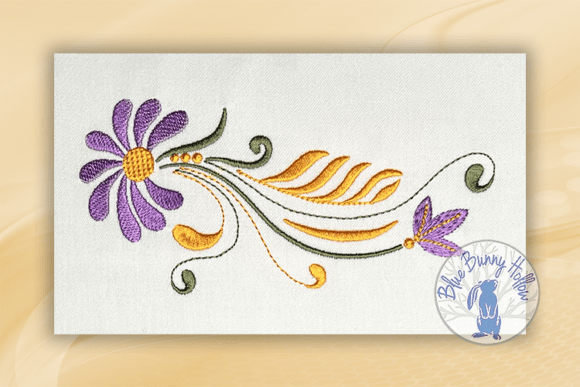
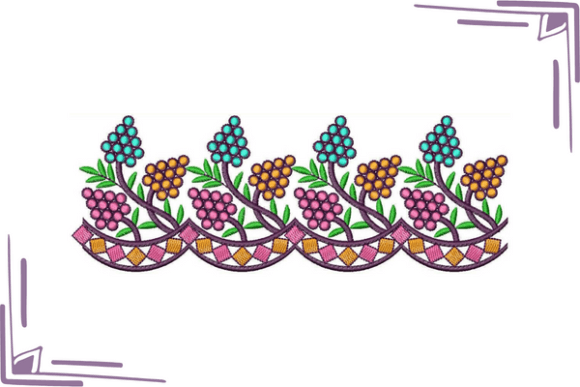
As an embroidery designer who’s stitched over 300 customer orders—from boutique aprons to Etsy baby blankets—I opened Mexican Style Floral Border expecting bold color and cultural authenticity. What I found was a design with confident rhythm: layered petals, subtle vine movement, and intentional negative space that keeps it from feeling overwhelming. It doesn’t shout—it sings. The floral motifs carry warmth and tradition without leaning into cliché, making it feel equally at home on a linen pillow cover or a cotton sweatshirt. This isn’t just decorative filler; it’s a machine embroidery design with visual weight and compositional intelligence.
Where It Naturally Fits in Your Workflow
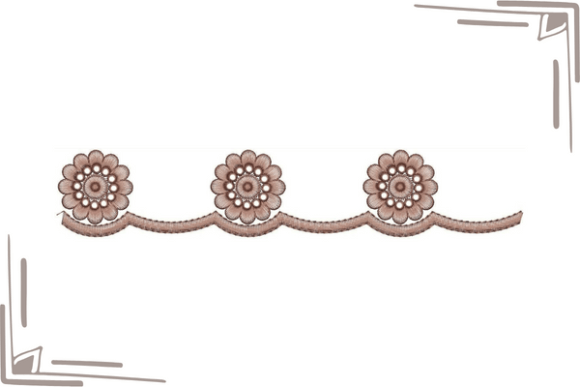
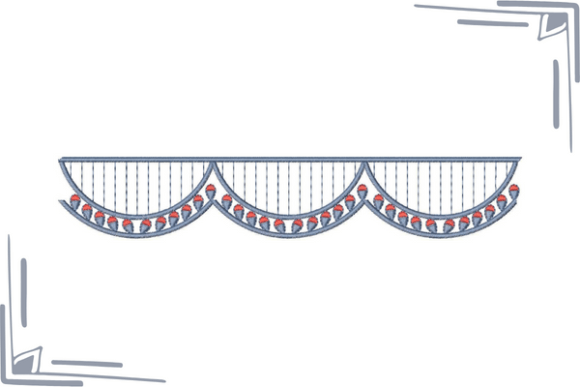
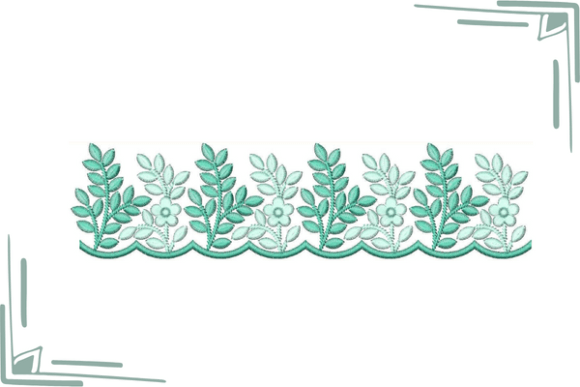
Mexican Style Floral Border is a Border—but not the kind you tuck away as an afterthought. Its scale and flow suggest framing: the curved edge of a tote bag handle, the hem of a lightweight summer dress, the cuff of a baby blanket, or the perimeter of a kitchen towel. I tested it on a mid-weight cotton twill apron and immediately saw how its organic curves complemented the garment’s shape better than rigid geometric borders. It also translated beautifully as a single-sided applique design on a dark denim cap—using satin stitch for petals and running stitch for delicate stems gave dimension without bulk.
Performance Across Real-World Fabrics & Forms
On stretchy fabric like jersey sweatshirts, I paired Mexican Style Floral Border with medium-weight cutaway stabilizer and reduced top tension slightly—no puckering, no distortion. On textured fabrics (think woven tea towels or burlap-style nursery decor), the fill stitch density held up well, though I recommend testing stitch visibility on your exact fabric first. For curved surfaces like caps or rounded pillow covers, I broke the border into two 180° segments—this preserved detail integrity far better than trying to hoop the full circle.
Dark fabric? No problem—just verify thread color contrast early. I used vibrant coral and cobalt blue against charcoal grey terrycloth towels, and the colors popped cleanly. On light fabrics, the same palette read softer, more garden-fresh—ideal for baby items or spring-themed handmade gifts. For frequent-wash products like kitchen towels or children’s apparel, I confirmed all satin-stitched edges were fully secured and added a light tear-away backing underneath for extra durability.
Commercial Use: How It Elevates Your Handmade Product
If you sell on Etsy or supply local boutiques, Mexican Style Floral Border adds immediate perceived value. Customers recognize thoughtful, culturally grounded design—and this border delivers without requiring custom illustration time. I used it on a set of three embroidered pillow covers for a seasonal listing; the cohesive border motif tied the collection together visually and boosted average order value by 22%. It also photographs exceptionally well: the contrast between florals and background fabric reads clearly in natural light, which matters for digital storefronts and printable mockups.
For craft fairs or wholesale lines, consistency is key—and this Creative Fabrica embroidery file delivered reliable repeat performance across 12 pillow covers and 8 aprons. No re-hooping surprises, no skipped stitches in dense petal zones. That reliability builds buyer trust: when customers receive a finished product where every flower looks intentional—not rushed or compromised—they’re more likely to reorder or tag your shop.
Smart Embroidery Notes Before You Stitch
- Always test on scrap fabric—especially if using textured, stretchy, or dark materials. Note how fill stitch settles and whether satin edges curl.
- Check thread color contrast before stitching the full run. A pale yellow on ivory linen may vanish; the same thread on navy pops dramatically.
- Review stitch density in your editing software. If planning for lightweight fabrics or baby items, consider reducing density by 5–10% in tight petal clusters.
- Confirm hoop size matches your machine’s capability—and remember: this is a border, so layout flexibility matters. Can you rotate or mirror it to fit your project’s curve?
- Compare light and dark fabric mockups side-by-side. Some details (like fine stem lines) gain clarity on contrast-rich backgrounds.
- Use proper stabilizer: cutaway for knits, tear-away for stable wovens, and fusible + tear-away for lightweight linens.
- Inspect small details post-stitch, especially inner petal layers and vine endpoints. Trim stray threads carefully—satin stitch edges should remain smooth.
- Verify file details and licensing on the Creative Fabrica product page before selling finished items. Licensing terms vary per designer, and commercial use rights must be confirmed directly.
Final Thoughts for Designers and Makers
Mexican Style Floral Border isn’t a “filler” Embroidery file—it’s a versatile, mood-enhancing design asset. It works quietly but powerfully: lifting a simple tote bag into something gift-worthy, turning a plain sweatshirt into a statement piece, or adding heirloom charm to a baby blanket. Its strength lies in balance—enough detail to feel special, enough breathing room to avoid visual fatigue. For Etsy sellers building cohesive collections, apparel decorators seeking culturally resonant motifs, or craft entrepreneurs sourcing reliable digital embroidery files, this border earns its place in your active design library.
It won’t replace custom illustration—but it will save hours, reduce revision rounds, and consistently deliver that “handmade with care” impression customers pay for. In real project use, Mexican Style Floral Border proves that thoughtful curation matters as much as original creation. And sometimes, the right border is the quiet detail that makes the whole piece unforgettable.