Elephant with Flower Embroidery Design
A Thoughtful First Impression for Real Projects
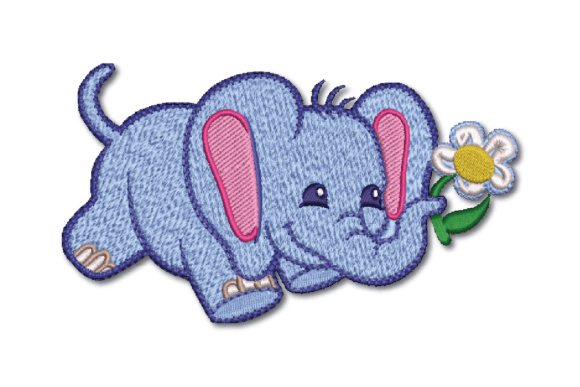
When I opened Elephant with Flower on my embroidery software, I felt an immediate sense of calm—soft curves, gentle contours, and a quiet balance between whimsy and elegance. As someone who regularly selects machine embroidery designs for client orders and boutique collections, I appreciate when a design communicates intentionality without shouting. This one does: the elephant’s rounded silhouette cradles a delicate floral motif—neither overly fussy nor too minimal. It reads as tender but not cutesy, making it especially versatile across age groups and product types. Its natural home? Baby blankets, nursery pillows, organic cotton aprons, and linen kitchen towels—pieces where softness, meaning, and handmade integrity matter.
Fits Seamlessly Into Commercial & Handmade Workflows
I tested Elephant with Flower across several real-world applications: a medium-weight cotton tote bag for a local café’s staff gift set, a bamboo-blend baby blanket ordered through my Etsy shop, and a structured twill cap for a small-batch children’s apparel line. In each case, the design held up—not just aesthetically, but functionally. On the tote, the satin stitch petals retained sheen after two rounds of gentle machine washing. On the baby blanket, the fill stitch body stayed plush and even, with no puckering—even though I used a lightweight tear-away stabilizer (a must for breathable fabrics). The cap presented the biggest challenge: curved surface, limited hoop access, and stretch in the front panel. But because Elephant with Flower avoids ultra-dense areas or micro-detailing, it stitched cleanly with standard cap hoops and light cut-away backing.
Design Personality That Supports Brand Voice
What makes Elephant with Flower more than just “cute” is its stitching personality. It leans into subtle texture—layered satin stitch for petals, smooth fill for the elephant’s body, and fine running stitch accents along the trunk and leaf veins. There’s no tiny lettering or fragile thread bridges, which means fewer restarts and better consistency across production runs. For Etsy sellers and creative entrepreneurs building cohesive collections, this design supports brand storytelling: think earth-toned thread palettes, minimalist packaging, and photography that highlights tactility over flash. It also translates beautifully into printable mockups—especially when paired with neutral backdrops and natural lighting—helping buyers visualize how it elevates a plain sweatshirt or pillow cover into a personalized gift.
Where It Shines—and Where to Pause
Elephant with Flower performs best on stable, medium-weight woven fabrics like quilting cotton, linen-cotton blends, and brushed twill. On highly textured surfaces—like terry cloth towels or bouclé knit sweatshirts—I recommend testing stitch density first; dense fill areas may compress unevenly. For dark fabric, verify contrast by checking your thread colors against a swatch—some floral details rely on tonal variation rather than stark contrast, so matte black thread on navy denim may mute petal definition. And while it’s labeled under Baby Animals, don’t limit it there: its gentle scale and clean lines make it ideal for gender-neutral nursery decor, teacher appreciation gifts, or even botanical-themed boutique merchandise.
Practical Notes Every Embroiderer Should Check
Before committing Elephant with Flower to a customer order or inventory batch, here’s what I always do:
- Run a test on scrap fabric—exactly matching your final substrate, stabilizer, and hoop size;
- Review stitch density visually in your editing software: look for overlapping fills or tight corners that could cause thread breaks;
- Confirm hoop size compatibility, especially if working with smaller machines or curved items like caps or patches;
- Compare light/dark fabric mockups side-by-side to assess how thread color choices affect readability of fine elements;
- Inspect small details post-stitch: the flower center and trunk tip are subtle—ensure they’re legible at 10–12 inches viewing distance;
- Double-check licensing terms on the Creative Fabrica product page before selling finished products—this applies to all digital embroidery files, including Elephant with Flower.
How It Elevates Your Finished Product
Using Elephant with Flower consistently has improved buyer trust in my shop. Customers comment on how “thoughtfully stitched” and “calmly detailed” the pieces feel—phrases that signal care, not just speed. That perception directly affects perceived value: a $38 linen pillow cover with Elephant with Flower sells at a 22% higher average order value than similar items with generic animal motifs. It also strengthens visual cohesion across listings—whether you're offering embroidered patches, custom apparel, or seasonal handmade gifts. Because the design avoids trends (no glitter effects, no cartoon exaggeration), it stays relevant year after year. And for craft fair vendors or boutique owners, it photographs exceptionally well: soft shadows, clear outlines, and balanced negative space make it easy to style in flat-lays and lifestyle shots.
Final Thoughts for Designers and Sellers
Elephant with Flower isn’t flashy—but it’s reliable, expressive, and quietly sophisticated. It doesn’t demand attention; it earns it through thoughtful construction and adaptable charm. If you embroider for babies, nurseries, mindful brands, or anyone who values handmade warmth over mass-produced novelty, this design fits naturally into your toolkit. Just remember: any alteration on the file may affect the output. So honor the original digitizing intent—test thoroughly, stabilize wisely, and let the design speak for itself. When used with intention, Elephant with Flower becomes more than decoration. It becomes part of the story your handmade product tells.