Forest Walk Character
First Impression: Whimsical, Vibrant, and Instantly Recognizable
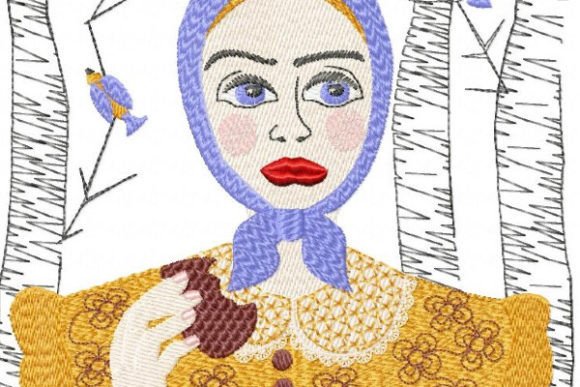
As an embroidery designer who’s curated over 200 craft fair booths—and shipped thousands of embroidered tote bags, aprons, and pillow covers—I opened Forest Walk Character expecting charm. What I got was more: a confident, joyful energy that lands somewhere between modern woodland aesthetic and hand-drawn storybook warmth. It’s not rustic, not minimalist—it’s vibrant, with clear character presence and intentional color layering (silk + cotton thread suggests subtle sheen variation and rich depth). That duality—playful yet polished—makes it a standout for handmade markets where shoppers scan fast but buy emotionally.
Where Forest Walk Character Shines on Craft Fair Products
This isn’t just another embroidery file—it’s a booth magnet when placed intentionally. Here’s how it performs across high-traffic handmade items:
- Tote bag design: Ideal centered on the front panel of natural canvas or oat linen. The vibrant colors pop against neutral backgrounds, and its balanced composition reads clearly from 6 feet away—the sweet spot for craft fair foot traffic.
- Apron embroidery: Works beautifully above the pocket or centered on the bib. Its vertical flow complements the apron’s shape, and the “character” element invites conversation—perfect for foodie fairs or artisan markets.
- Tea towel embroidery: Strong at mid-size (4–5" wide). Avoid placing near hems where fabric folds may distort stitch definition. Best on smooth-weave cotton towels—not heavily textured waffle or terry.
- Embroidered patch: Highly effective as a sew-on or iron-on accent. Clean outer edges and moderate detail density mean it holds up well in 3"–4" formats—ideal for denim jackets, backpacks, or kids’ caps.
- Pillow cover & small pouch: A premium-feeling focal point. The silk/cotton blend shines here, adding tactile luxury to otherwise simple handmade products.
- Caps & curved surfaces: Proceed with caution. Test stitch-out on scrap baseball cap fabric first—tight curves can compress fine details or cause thread nesting if stitch density is high near contours.
What Makes Forest Walk Character Sell—And What Requires Care
It sells because it feels designed for connection: friendly, nature-adjacent without being literal, and expressive enough to stand alone—but versatile enough to pair with botanical prints or neutral palettes. Customers don’t just see “forest”—they see a mood, a moment, a story they want to carry.
But practicality matters just as much as charm. Here’s what to verify before batch production:
- Stitch density: Silk thread adds luster but can highlight dense areas. If the design includes tight foliage or layered shading, test on your target fabric—over-stabilizing can create stiffness; under-stabilizing risks puckering.
- Small details & lettering: Does “Forest Walk Character” include text? If so, avoid scaling below 2.5" wide—tiny serif or script elements blur on textured towels or dark fabrics.
- Fabric texture & contrast: On charcoal hoodies or black denim, confirm thread colors maintain legibility. Silk may recede on dark backgrounds unless paired with high-contrast cotton accents.
- Hoop size & placement flexibility: A design that fits comfortably in a 4"x4" hoop opens doors for smaller shops using entry-level machines. If it requires 5"x7" or larger, factor in setup time and stabilizer waste.
Visual Impact, Brand Alignment, and Booth Strategy
In a crowded handmade market, Forest Walk Character strengthens your booth’s visual rhythm. Display it across three coordinated pieces—a forest-green tote, a cream tea towel, and a sage linen pouch—and you instantly signal cohesion, craftsmanship, and intentionality. It elevates perceived value: customers associate the silk/cotton mix with care, and the character motif with personality-driven design—not generic clip art.
For Etsy sellers and digital embroidery file shops, this design translates powerfully into printable mockups. Use flat-lay photos showing it on multiple product types—especially lifestyle shots with natural light and wood textures. Its vibrancy ensures strong thumbnail visibility, and its theme aligns with top-performing search terms like “woodland embroidery,” “nature character design,” and “handmade tote bag pattern.”
Designer Notes You Can’t Skip
Before cutting fabric or listing on Etsy, do these five things:
- Test on scrap fabric that matches your final product—canvas, terry cloth, twill, or cap mesh—to assess tension, pull, and stabilizer performance.
- Check thread contrast across your most common base colors (cream, olive, charcoal, oat) using actual spools—not just screen previews.
- Review spacing between elements: tight clusters may need reduced density or adjusted underlay in your embroidery software.
- Confirm hoop size and commercial licensing. Since this is marketed as a machine embroidery design for finished goods, verify whether the license permits resale of embroidered products—not just personal use.
- Create one real mockup—not digital, not printed, but stitched, pressed, and photographed in natural light. Compare it side-by-side with your best-selling item. Does it hold its own?
Final Thought: A Smart Addition to Your Embroidery Lineup
Forest Walk Character isn’t just another accessory embroidery—it’s a mood, a conversation starter, and a reliable seller when matched thoughtfully to product and audience. It leans into current handmade trends (nature-infused, character-led, tactile-rich) without feeling trend-chasing. For craft fair sellers building cohesive collections, Etsy sellers expanding their digital embroidery file shop, or boutique makers seeking elevated yet approachable designs, this is a high-potential embroidery file worth testing early in your season planning. Just remember: vibrancy demands verification. Stitch it right, stabilize it wisely, and let that forest walk right into your next sale.