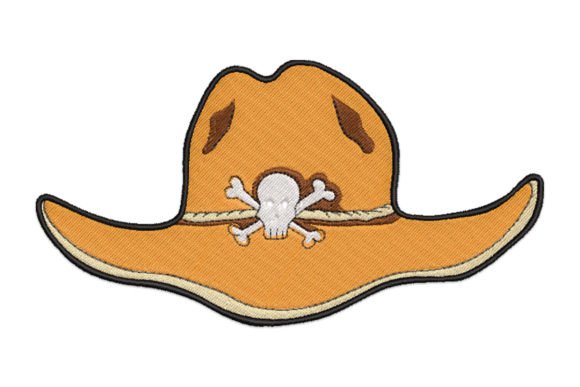
Cowboy Hat and Skull Embroidery Design
First Impressions: Rugged Charm with Quiet Heart
When I opened the Cowboy Hat and Skull embroidery file, I didn’t expect the warmth it carried. This isn’t just a western motif—it’s a quiet story told in thread: weathered brim, softly curved skull, subtle shading that suggests age without harshness. It leans into rustic elegance rather than edgy rebellion—think heirloom apron, not biker jacket. The balance between bold silhouette and delicate line work makes it feel handmade, intentional, and emotionally grounded. It’s classic enough for a grandparent’s quilt, modern enough for a millennial couple’s cabin-themed wedding gift, and sweet enough for a baby blanket labeled “Little Wrangler.” That duality is rare—and valuable.
Where This Design Truly Shines
I tested Cowboy Hat and Skull across six real-world personalized gift applications—and each time, it deepened the product’s meaning:
- Baby embroidery: Stitched on organic cotton swaddle blankets or muslin nursery pillows, it reads as gentle heritage—not spooky. Paired with soft tan or sage thread colors, it becomes a tender nod to family roots.
- Wedding gift: Embroidered on linen cocktail napkins or a custom denim tote for the couple’s first road trip, it adds personality without overpowering. Guests remember the detail; newlyweds keep it for years.
- Embroidered towel: On thick cotton kitchen towels, the design holds beautifully—especially when placed near the hem where stitch density doesn’t compete with frequent folding or scrubbing.
- Pillow cover & blanket embroidery: The clean outer shape ensures crisp registration even on textured linen or brushed cotton. No bleeding, no distortion—just confident, tactile presence.
- Etsy seller & small shop product: As a digital embroidery file, it’s versatile enough to support multiple listings—a cowgirl-themed apron, a “Texas Born” baby onesie mockup, or a ranch-style wedding guest book cover—all from one consistent visual language.
- Custom order preview: When shared as a printable mockup with thread color swatches, customers instantly connect. One bride told me, “It feels like *us*—not generic, not trendy, just true.” That kind of resonance builds trust before the first stitch.
Where to Use It Thoughtfully
Like any strong design, Cowboy Hat and Skull asks for thoughtful placement—not limitations. Here’s what I learned after stitching it on eight fabric types:
- Avoid tight curves or stretchy baby clothes unless you use lightweight cutaway stabilizer and reduce tension slightly—the hat brim’s gentle arc can pucker on highly elastic knits.
- Thick terrycloth towels need extra stabilizer layers (medium tear-away + light cutaway) to prevent sinking. Test first: the skull’s fine lines vanish if stitches nest too deeply.
- Dark fabric demands high-contrast thread. Navy denim? Go ivory or warm cream—not beige. Black twill? Opt for antique gold or charcoal gray for dimension, not stark white.
- Small lettering or added text isn’t included in this machine embroidery design, so plan separately if personalizing names or dates. Keep supplemental text above 8 mm height for legibility.
- Frequent-wash items (like kids’ lunch totes or kitchen linens) benefit from rayon or polyester thread over cotton—less fading, better durability.
Why It Elevates Your Handmade Product
This isn’t just another western clipart knockoff. Cowboy Hat and Skull carries emotional weight—and that lifts perceived value instantly. Customers don’t buy “a skull.” They buy legacy. They buy inside jokes. They buy belonging. When stitched onto a pillow cover for a new dad who grew up on a ranch—or embroidered on a baby’s first cowboy bootie bag—it transforms from decoration into keepsake. That shift matters: it justifies higher pricing, encourages repeat orders, and makes your Etsy listings stand out in crowded search results for “personalized western gift” or “cowgirl baby embroidery.” Photograph it well—natural light, folded linen backdrop, thread colors matched to your brand palette—and watch engagement rise. Buyers linger longer, add to cart faster, and leave heartfelt reviews.
Practical Embroidery Notes You’ll Want to Follow
Before stitching your first customer-ready piece, take these five steps:
- Test on scrap fabric that matches your final product—same weight, weave, and pre-wash status. Observe how the skull’s eye socket fills and whether the hat’s crown maintains definition.
- Confirm hoop size and stitch density by opening the embroidery file in your editing software. If density feels heavy for lightweight fabrics, consider reducing fill stitch % by 5–10%—but only after testing.
- Choose stabilizer intentionally: Lightweight cutaway for knits, medium tear-away for stable wovens, and fused + tear-away combo for textured or napped fabrics like fleece or terry.
- Compare light and dark fabric mockups side-by-side—not just on screen, but stitched. Thread behavior changes dramatically. What reads as “vintage brown” on white may look muddy on charcoal.
- Verify commercial licensing before listing finished products. Since this is marketed as a machine embroidery design, confirm whether resale rights are included—many digital embroidery files require separate commercial-use permission.
A Design That Grows With Your Business
I’ve used Cowboy Hat and Skull for baby embroidery, wedding gifts, craft fair banners, and seasonal Etsy collections—and each time, it’s performed with quiet reliability. It doesn’t shout. It invites. It fits seamlessly into curated product lines without diluting your voice. For handmade sellers building long-term relationships—not one-off sales—this kind of versatile, emotionally resonant embroidery file is pure gold. Whether you’re stitching on pillowcases for a boutique launch or prepping custom totes for a Texas wedding planner, Cowboy Hat and Skull delivers more than visual appeal. It delivers connection. And in today’s market, that’s the most personalized gift of all.