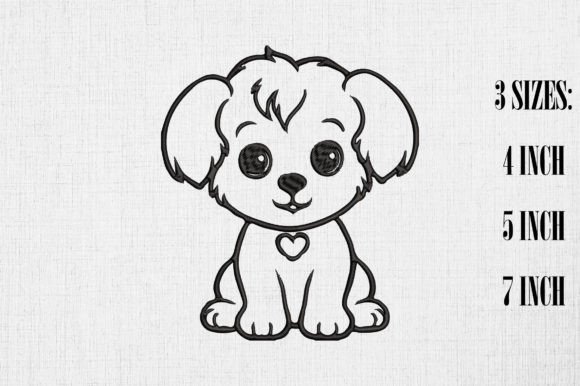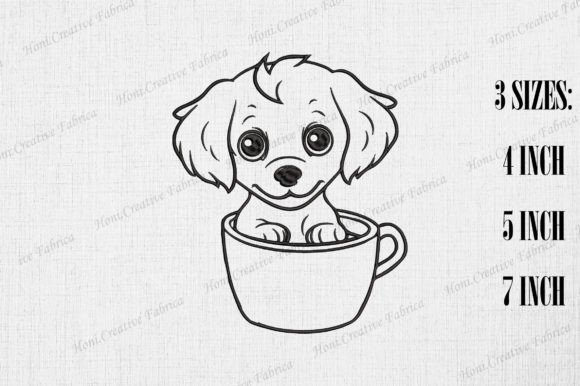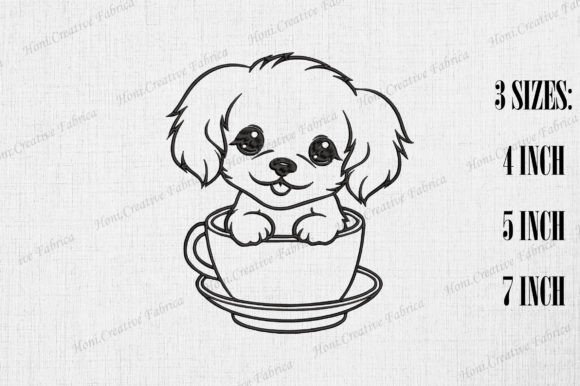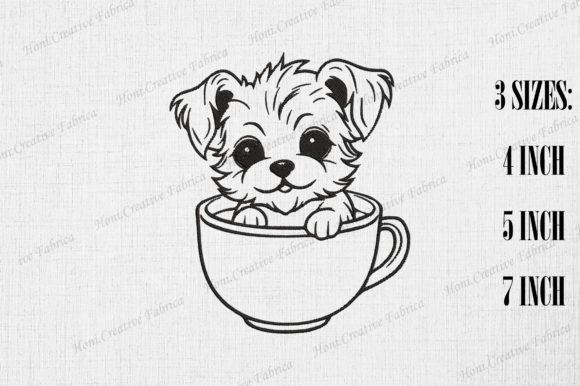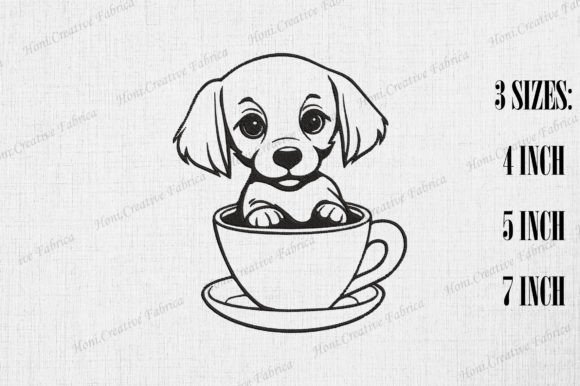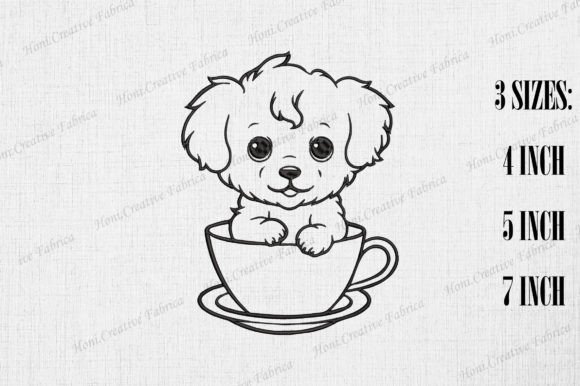
Cute Bichon Frise Dog 2 in Coffee Cup
First Impression: Sweet, Playful, and Instantly Relatable
As an embroidery designer who’s prepped over 200 craft fair booths, Cute Bichon Frise Dog 2 in Coffee Cup lands with cheerful charm—not loud, not fussy, but warm and human. It reads as soft-farmhouse meets modern pet-lover aesthetic: cozy, lighthearted, and full of personality. The “2 in” phrasing hints at gentle humor—two tiny Bichons snuggled inside a steaming mug—and that subtle wit makes it more than just another dog design. It feels handmade, not mass-produced, and carries emotional resonance for coffee lovers *and* dog people—a powerful dual-audience hook.
Where It Shines: Craft Fair-Ready Product Pairings
This machine embroidery design excels where warmth and whimsy meet function. On a natural linen tote bag design, it sits beautifully centered near the bottom hem—large enough to read from three feet away, small enough to leave room for branding or a coordinating monogram. As apron embroidery, it shines above the pocket: approachable, clean, and instantly memorable among rows of rustic florals or script quotes.
For kitchen-focused vendors, tea towel embroidery is its strongest application. The coffee cup motif anchors it in daily ritual, while the Bichons add joy without clutter. It also works exceptionally well on compact items: embroidered patches (ideal for pinning onto denim jackets or market bags), fabric pouches (great as low-cost impulse buys), and pillow covers (where the round shape echoes cushion forms). As a craft fair product, it’s giftable, Instagrammable, and booth-friendly—especially when displayed on a ceramic mug or folded tea towel stack.
Online & Marketplace Performance: Etsy Seller Essentials
For the Etsy seller or digital embroidery file creator, Cute Bichon Frise Dog 2 in Coffee Cup is highly listable. Its title includes clear search terms (“Bichon Frise,” “coffee cup,” “dog”) and avoids vague adjectives like “adorable” or “cute” alone—so it’s naturally SEO-strong. Paired with a clean printable mockup showing it on a light-khaki apron and oatmeal tea towel, this digital embroidery file converts well. Customers scanning thumbnails instantly grasp the concept—no decoding needed. That clarity boosts click-throughs and reduces support questions.
It photographs beautifully: the circular composition frames well in square listings, and the implied warmth of coffee + dogs invites emotional connection. Bonus? It scales elegantly across product types—same file used on a onesie, a cap, and a market bag maintains brand consistency without needing redesign.
Production Realities: What Works—and What Needs Care
This handmade product is production-friendly—but not frictionless. The two dogs inside the cup introduce subtle complexity: fine facial details (tiny eyes, soft muzzle curves) and layered cup steam require moderate stitch density. On textured towels or thick canvas, those delicate areas can blur if stabilizer isn’t matched precisely. I recommend medium-weight cutaway stabilizer for towels and lightweight tear-away for onesies or tees.
Hoop size matters here: avoid cramming it into a 4x4 hoop unless the file explicitly supports that scale. At smaller sizes (under 3.5 inches wide), the dogs risk looking like smudges—not characters. Test the embroidery file on scrap fabric first, especially for curved surfaces like caps: the cup’s rounded base may pucker if hooping tension is uneven.
Thread colors should prioritize contrast: cream thread on navy denim, dark brown on oatmeal linen, or heather gray on white cotton. Avoid matching thread to fabric tone—it kills definition. And remember: on dark fabric, use topping (like water-soluble film) to keep stitches crisp and prevent sinking into nap.
Booth Impact & Buyer Engagement
In a crowded craft fair aisle, Cute Bichon Frise Dog 2 in Coffee Cup stands out by feeling *personal*, not generic. It doesn’t shout—it smiles. That builds immediate rapport. Shoppers pause, point, say “That’s my dog!” or “I drink *that much* coffee.” That micro-moment of recognition is gold for conversion.
It strengthens your small shop product lineup by adding cross-category appeal: pet lovers buy it for gifts, baristas grab it for staff aprons, and new parents love it on baby onesies (just confirm thread safety and backing for infant wear). As part of a cohesive display—say, mugs, towels, and pouches all featuring the same motif—it reinforces handmade quality and thoughtful curation. No need for signage explaining it; the design communicates clearly on its own.
Designer Notes You Can’t Skip
- Always run a test stitch on scrap fabric matching your final product’s weight and texture—especially for commercial embroidery runs.
- Check thread contrast under natural light *and* booth lighting—some metallic or pastel threads shift hue.
- Review spacing between dogs and cup rim: tight gaps may fill in on dense fabrics.
- Confirm hoop size requirements before digitizing or purchasing—don’t assume compatibility.
- Inspect stitch density in the cup handle and dog fur areas—over-stitching causes stiffness and thread breakage.
- Create at least one real mockup (not just digital) before ordering bulk fabric—it reveals how the design breathes in person.
- Compare how it looks on light vs. dark fabric swatches—the mood shifts dramatically.
- Verify commercial licensing terms before selling finished products—this embroidery file must be cleared for resale, not just personal use.
Final Thought: A Quiet Standout
Cute Bichon Frise Dog 2 in Coffee Cup won’t dominate your booth with size or flash—but it will linger in customers’ minds long after they’ve left. It’s the kind of handmade product that sparks conversation, fits seamlessly into lifestyle branding, and sells repeatedly because it feels both special and familiar. For the craft fair seller, the digital seller, or the boutique maker building a signature look, it’s not just another Dogs design. It’s a warm, clever, quietly confident piece of storytelling—stitched, shared, and loved.